
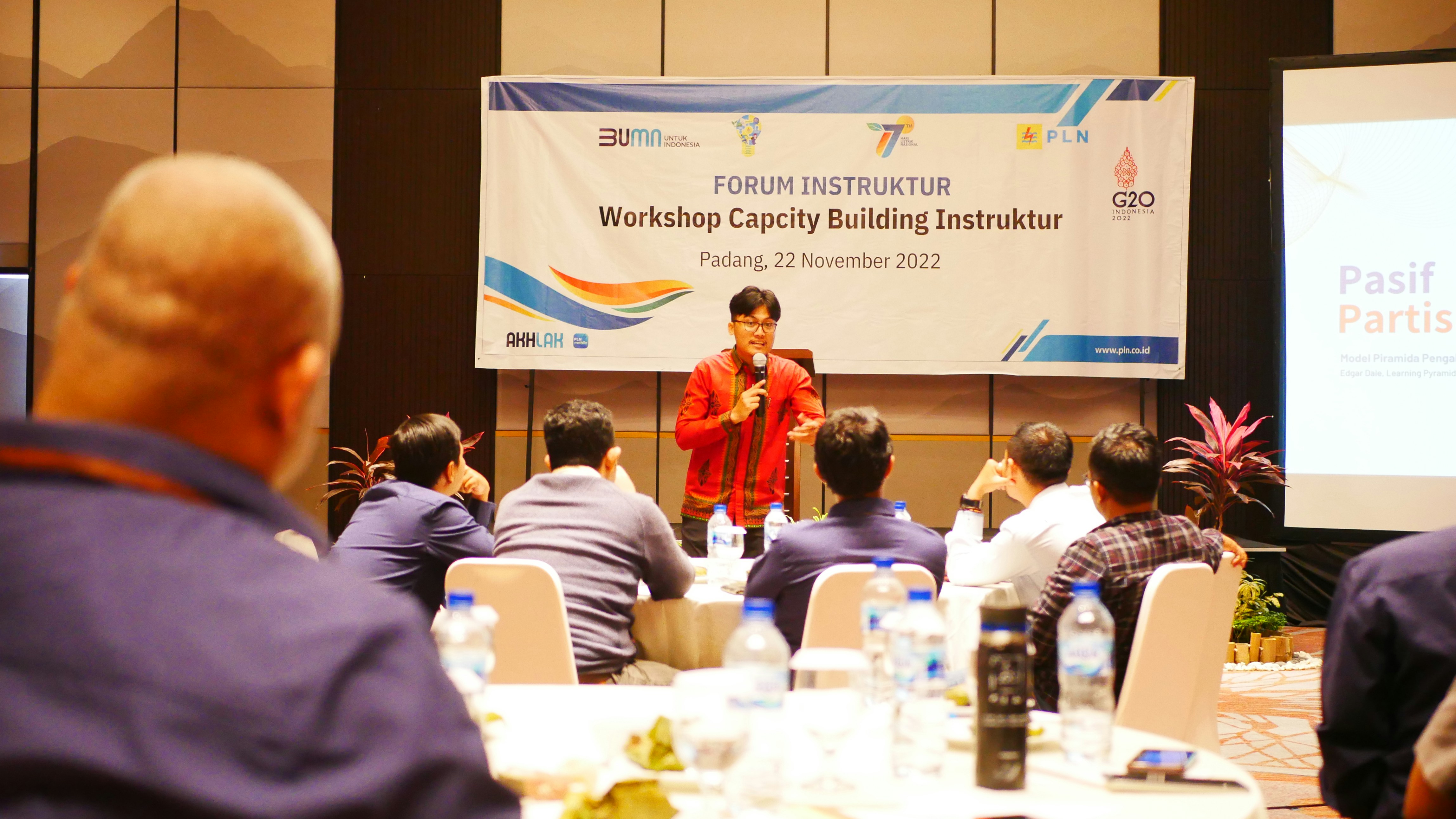
What Core Professional Development Training Covers
Core professional development training helps people strengthen the skills they rely on throughout their working lives. Rather than focusing only on a specific role or technical tool, it develops transferable capabilities such as communication, collaboration, problem-solving, adaptability, and time management. These skills support effective performance across teams, industries, and career stages.
Training may include workshops, guided practice, coaching, online modules, or peer learning. The most useful programs connect these formats to real workplace situations, giving participants opportunities to apply new approaches rather than simply hear about them.
Why Foundational Skills Matter
Strong professional habits can improve both individual contribution and team outcomes. Clear communication reduces misunderstandings, while active listening helps colleagues share information and resolve disagreements constructively. Planning and prioritization make it easier to manage competing responsibilities, and adaptability helps employees respond thoughtfully when expectations or circumstances change.
These capabilities also support career growth. Employees who can learn from feedback, take initiative, and work well with others are often better prepared to assume new responsibilities. For organizations, investing in foundational learning can encourage a more capable, confident, and resilient workforce.
Making Training Practical and Relevant
Effective programs begin with clear learning goals. Participants should understand which capabilities they are developing and how progress will be recognized. Examples, practice activities, and realistic scenarios help make concepts easier to transfer into daily work. Managers can reinforce learning by discussing how new skills apply to current projects and by providing timely, specific feedback.
Training should also be accessible to people with different experience levels and learning preferences. Short sessions, follow-up resources, and opportunities to revisit key ideas can support retention without overwhelming busy schedules. Regular check-ins help identify where additional guidance may be useful.
Turning Learning Into Ongoing Growth
A single course can introduce valuable tools, but lasting development requires continued practice. Employees can set small goals, seek feedback, and reflect on what is working. When teams treat learning as an ongoing process, professional development becomes part of everyday work—not simply an occasional event. This steady approach helps individuals build confidence while contributing to stronger, more adaptable organizations.